Physical Design in VLSI: From Logic to Silicon
Most engineers entering semiconductor design initially assume that once the RTL is functionally correct, the difficult part is complete. In […]
Most engineers entering semiconductor design initially assume that once the RTL is functionally correct, the difficult part is complete. In […]
People usually imagine chip design as engineers sitting and writing Verilog all day. That’s part of it, but not the
Importance of Structured Learning Paths Very Large Scale Integration (VLSI) is not a subject you can learn by accident. It
Role of Embedded Logic in Systems Embedded logic sits at the heart of modern devices. It controls sensors. It manages
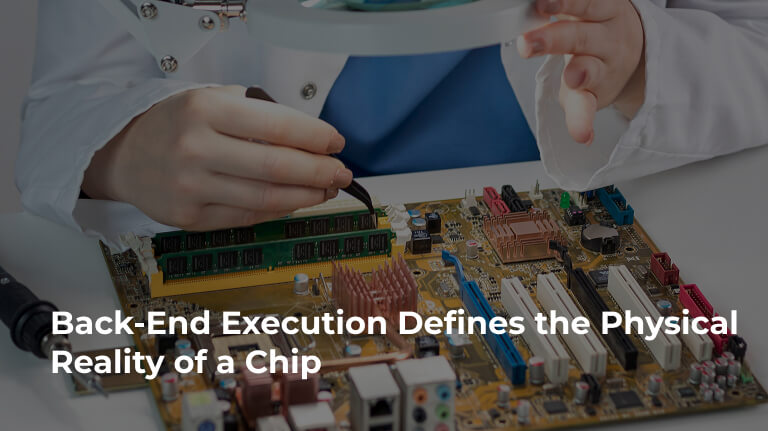
Transition from Design to Layout Front-end design ends with a netlist. Back-end execution begins with that netlist. This transition matters.
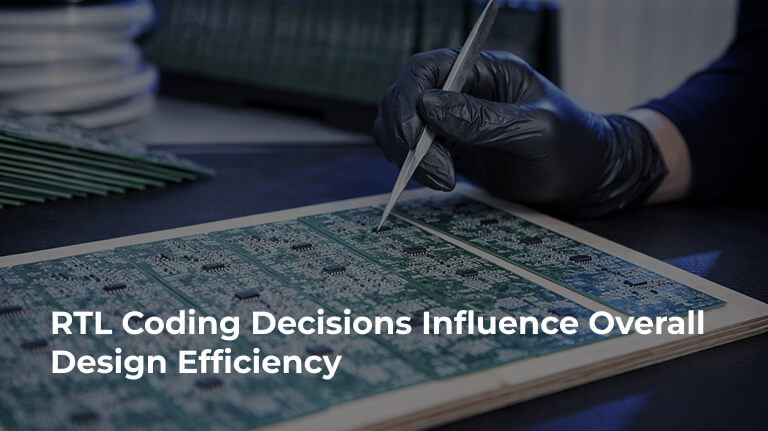
Importance of Writing Efficient RTL Register Transfer Level (RTL) coding starts the chip design journey. Your choices shape everything that
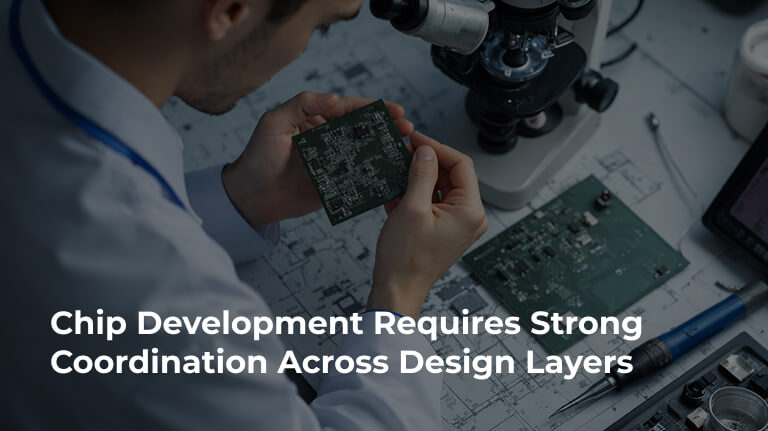
Structuring Multi-Level Design Systems Chip development does not happen in isolation. It involves multiple layers of design. Each layer connects
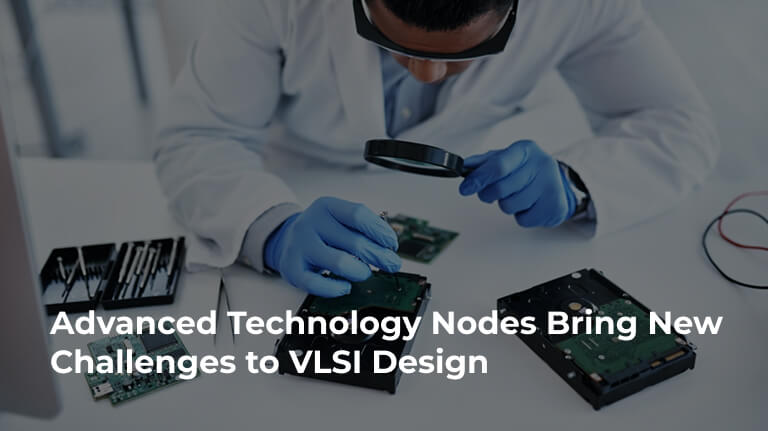
Growth of High-Density Circuits High-density circuits define modern chip design. Engineers pack more transistors into smaller spaces. This trend follows

Role of Verification in Chip Development Verification is the safety net of chip design. You write code. You synthesize logic.

Importance of Layout Planning Physical layout planning sets the foundation for chip success. You cannot fix a poor layout with
Get the latest VLSI news, updates, technical resources


282 (4th & 5th Floor), 7th Main Rd, stage2, BTM Layout, Bengaluru, Karnataka 560076
© ChipEdge. All Rights Reserved.

