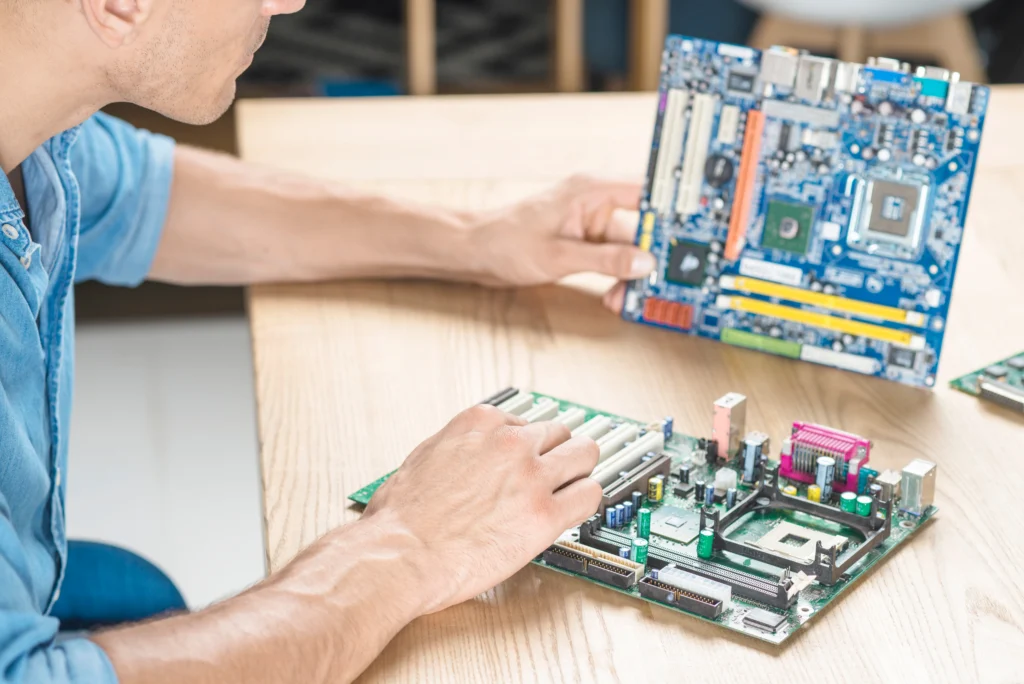
How VLSI Online Courses Are Bridging the Gap Between Engineering Graduates and Semiconductor Jobs
India graduates hundreds of thousands of ECE and EEE engineers every year. The semiconductor industry in India is actively hiring […]
India graduates hundreds of thousands of ECE and EEE engineers every year. The semiconductor industry in India is actively hiring […]

There is a specific kind of confidence that VLSI internship experience can produce. It is not the confidence of having

Completing a chip design course is the beginning of the process, not the end of it. The weeks and months
Not every VLSI front end course is designed for every engineer. The same program that works well for an ECE

Comparing vlsi course in hyderabad fee numbers across institutes tells you which program is cheaper. It does not tell you

A fresh ECE graduate and a working professional with four years of experience in an unrelated engineering role are both

The most reliable way to evaluate a training program is not to read what it says about itself. It is

Bangalore has many VLSI training programs, which gives engineers several options when researching where to build their skills. The advantage

The question that matters most to an engineer considering VLSI training in Bangalore is not simply how good the curriculum

Physical Design engineers are the engineers who make a chip real. Everything that happens before physical design — the specification,
Get the latest VLSI news, updates, technical resources


282 (4th & 5th Floor), 7th Main Rd, stage2, BTM Layout, Bengaluru, Karnataka 560076
© ChipEdge. All Rights Reserved.

