
The Importance of VLSI Physical Verification In Chip Design
In the VLSI course, verification is a critical step in the chip design process that ensures the correctness and reliability […]
In the VLSI course, verification is a critical step in the chip design process that ensures the correctness and reliability […]
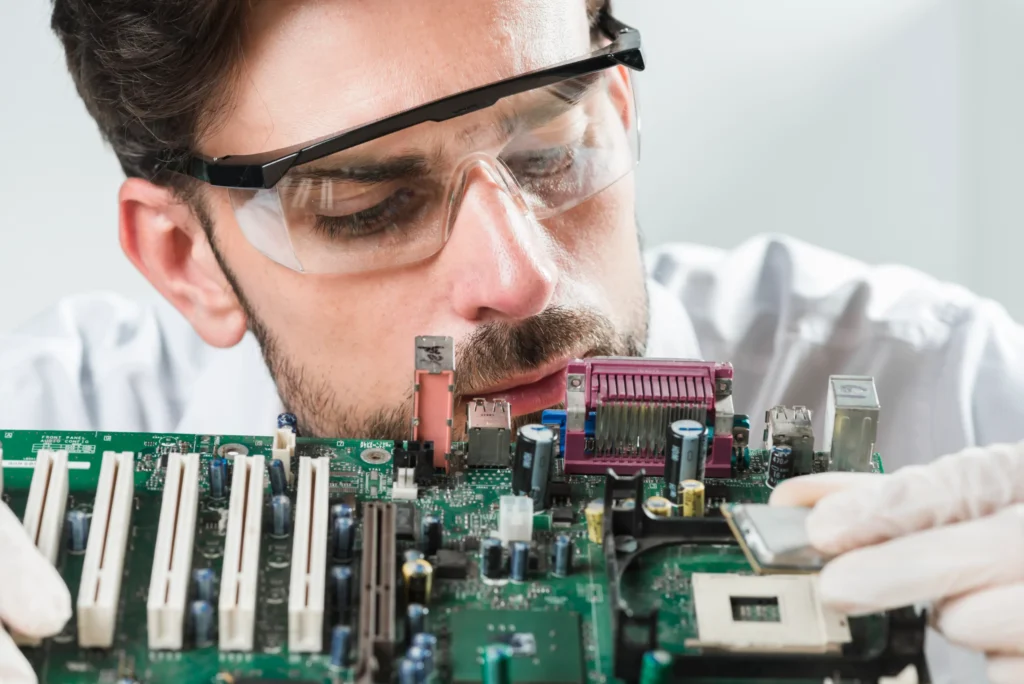
The relentless demand for electronic devices in today’s world underscores the critical role of the VLSI industry in shaping modern
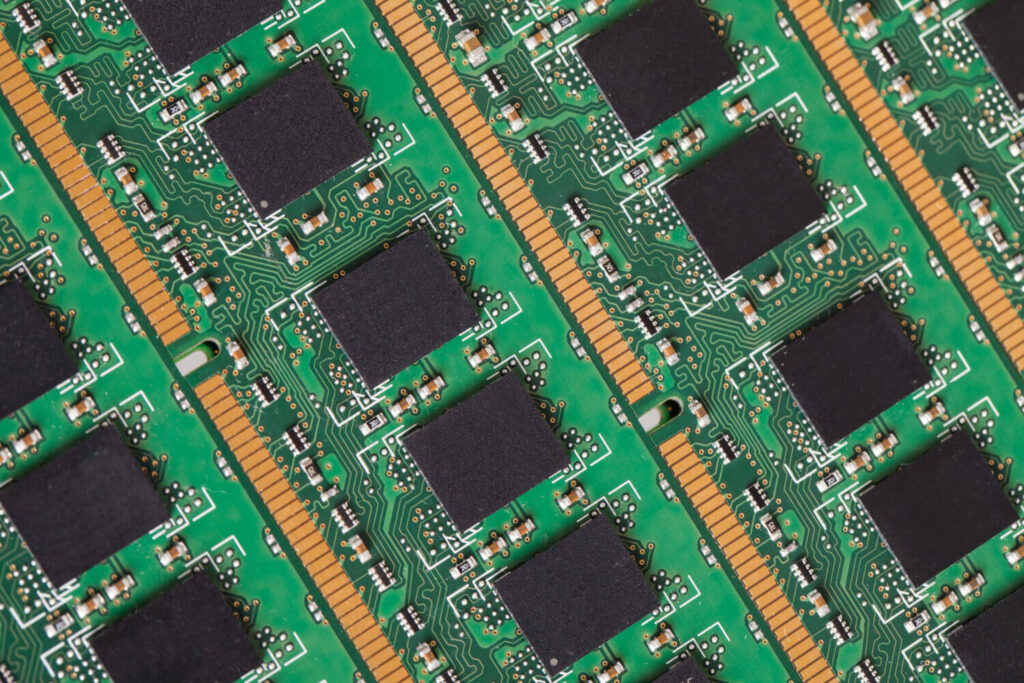
A common technique used for multiple patterning is double patterning. The metal–oxide semiconductor field-effect transistor (MOSFET) is fabricated using 193

The Internet of Things (IoT) is no longer a futuristic vision, it is rapidly transforming everyday lives through its interconnected

What is Synthesis in VLSI? Synthesis in VLSI is the process of converting your code (program) into a circuit. In

A combinational circuit in the VLSI course is one in which the various gates, such as the encoder, decoder, multiplexer,
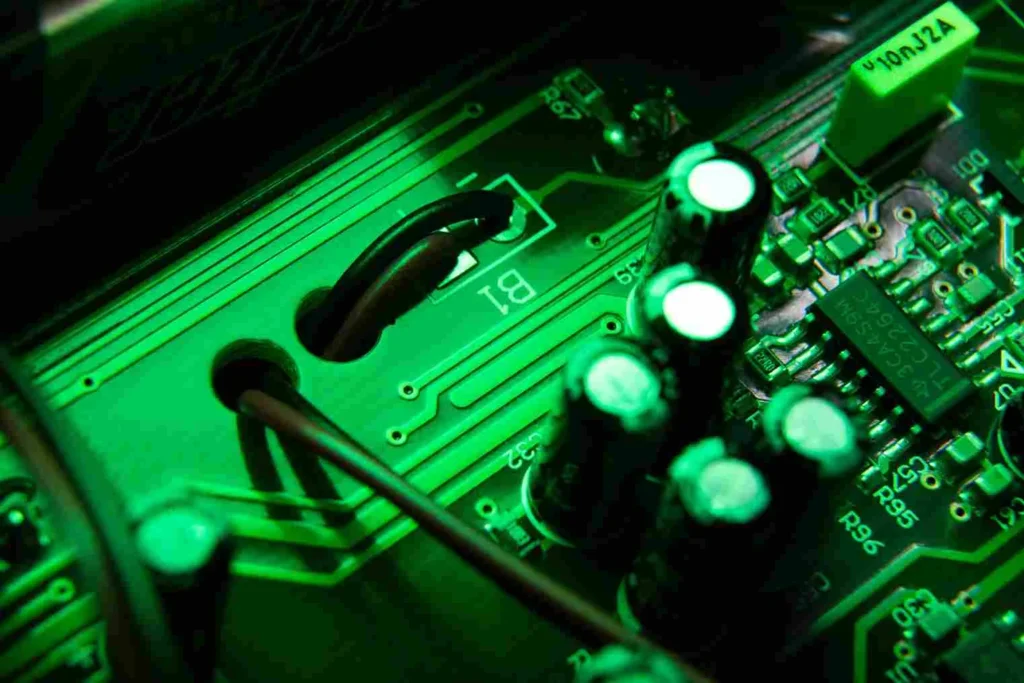
Routing in the VLSI design course is making physical connections between signal pins using metal layers. Following Clock Tree Synthesis

Static timing analysis (STA) is a way of evaluating a design’s timing performance by testing for timing violations along all

Skew in VLSI is the difference in clock arrival time across the chip. Clock Skew in VLSI is the temporal
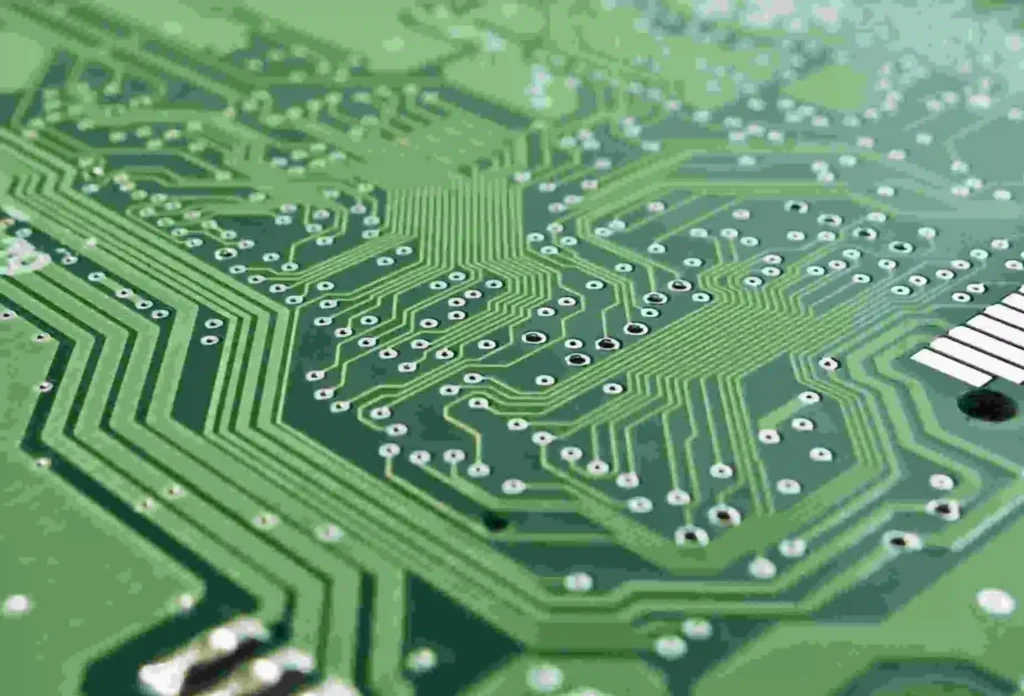
What are PVT corners in VLSI? The PVT in the VLSI design course stands for Process, Voltage, and Temperature. Integrated
Get the latest VLSI news, updates, technical resources


282 (4th & 5th Floor), 7th Main Rd, stage2, BTM Layout, Bengaluru, Karnataka 560076
Privacy policy | © ChipEdge. All Rights Reserved.

