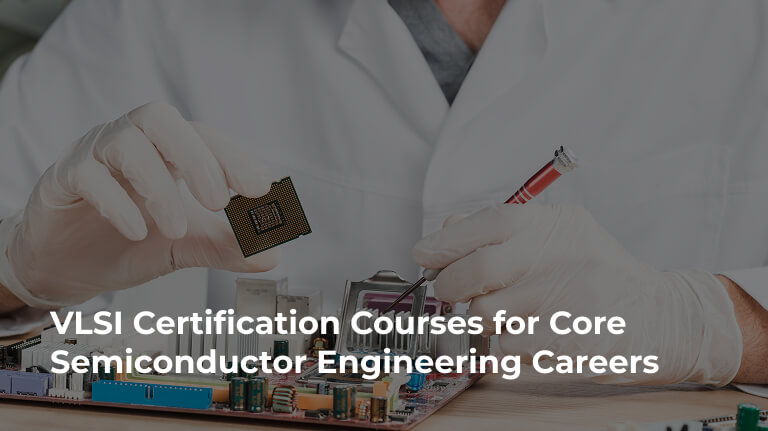
Breaking into the core semiconductor industry requires more than just a degree; it takes a specific technical “muscle memory” developed through constant practice. While silicon is the backbone of modern tech, the entry bar is notoriously high. This is exactly why vlsi certification courses have become the essential bridge for engineers moving from general electronics into specialized design roles. These programs provide the tool-based training and real-world project cycles that standard university degrees often skip.
At ChipEdge, we focus on making this transition as practical as possible. Whether you are a fresh graduate or a seasoned pro, our programs are built to sharpen your edge in design, verification, and testing.
Why VLSI Certification is a Game Changer for Your Career
Most engineering graduates have a solid grasp of the math and physics behind circuits, but they may never have touched a professional-grade EDA tool. VLSI certification courses in bangalore are designed to fill that exact void, giving you skills you can actually use the moment you step into a design house.
1. Practical Knowledge Over Theory
Most certification programs move away from heavy lecturing toward live projects and lab sessions. By working through Physical Design, Design Verification, and Design for Test (DFT), you learn the “how-to” of the industry. This hands-on experience is what recruiters are actually looking for when they hire for core functions.
2. Credentials the Industry Trusts
Completing a program at a recognized institute does more than just fill a spot on your resume; it acts as a stamp of approval. Employers know that candidates with vlsi certification courses credentials on their profile are already trained in professional methodologies and aren’t starting from zero.
3. Mastery of Industry Power Tools
In the chip world, your software is your lifeblood. Leading programs provide direct access to the “big three” toolsets: Synopsys, Cadence, and Mentor Graphics. Familiarity with these platforms ensures you can contribute to a project from day one without a massive learning curve.
ChipEdge’s Targeted Certification Paths
We’ve designed our courses to fit different career stages. Here is how we help engineers break into the core sector:
1. Launchpad for Freshers
- Focus: Physical Design, Verification, and Design for Test.
- Benefits:
- Live weekly classes.
- Industry-relevant projects.
- Placement assistance.
- Hands-on Synopsys tool exposure. Fresh graduates gain practical exposure, enhancing their readiness for entry-level semiconductor roles.
2. Upskilling for Professionals
- Focus: Physical Design, Verification, and Design for Test.
- Benefits:
- Live online weekend classes.
- On-demand learning solutions.
- Certification and placement assistance.
- Hands-on Synopsys tool training. Professionals can upskill while balancing work commitments, preparing for advanced roles in semiconductor design and verification.
3. Flexibility Through Online Self-Paced Courses
- Focus: Physical Design, Verification, and Design for Test.
- Benefits:
- Flexible, self-paced learning.
- 24×7 lab access.
- Mobile app access.
- Synopsys tool exposure. Online courses offer flexibility while ensuring practical exposure and technical competency, ideal for working engineers or students.
The Real Perks of a Structured Certification
- Industry-Relevant Curriculum: Courses are designed by industry experts to match current semiconductor trends, ensuring engineers gain relevant skills for core design, verification, and testing roles.
- The Power of the Lab: Lab sessions and real-world projects allow engineers to practice DFT implementation, verification methodologies, and physical design workflows.
- A Support System: Beyond technical expertise, engineers develop soft skills such as technical presentations, communication, and problem-solving, which are essential in professional environments.
- Placement Networks: Institutes like ChipEdge provide internships, placement assistance, and mock interviews, helping engineers transition seamlessly into semiconductor roles.
How to Choose the Right VLSI Certification Course
Choosing between vlsi certification courses in bangalore involves evaluating multiple factors:
- Curriculum Depth: Ensure the course covers Physical Design, Design Verification, and DFT.
- Practical Exposure: Access to labs, projects, and tools like Synopsys is essential.
- Faculty Expertise: Trainers with real-world semiconductor experience provide valuable insights and mentorship.
- Flexibility: Online or weekend courses are ideal for working professionals.
- Placement Support: Institutes offering placement assistance and internships provide a strong advantage.
Conclusion
For any engineer aiming at a core semiconductor role, a vlsi certification is no longer a luxury—it’s a necessity. These courses equip learners with practical skills, tool exposure, industry-recognized credentials, and career support, enabling a smooth transition into the semiconductor sector.
At ChipEdge, our VLSI certification programs are designed to meet the needs of freshers, professionals, and online learners. With hands-on projects, lab access, expert trainers, and placement assistance, ChipEdge ensures engineers are fully prepared to excel in the dynamic world of semiconductor design and testing.


